





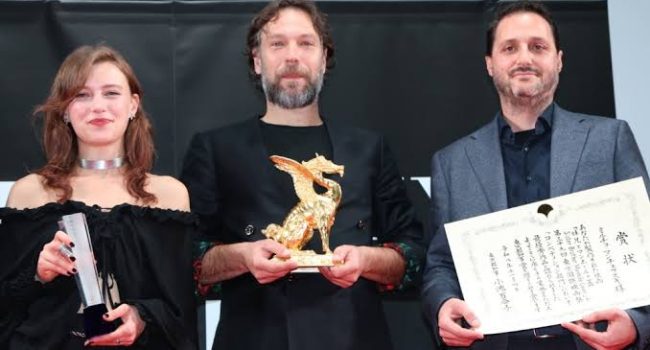
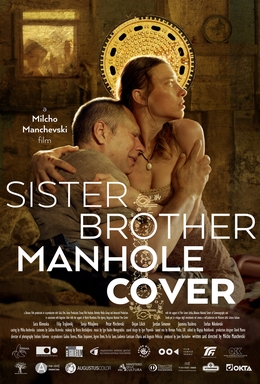
The film Sister Brother Manhole Cover directed by Milčo Mančevski has won the Grand Prix, i.e. the Tokyo Governor’s Award for the best film at the 39th Tokyo International Film Festival. The award for the best artistic contribution went to the film Until the End of the Day directed by Jelena Maksimović, which was also part of the competition program of the festival.
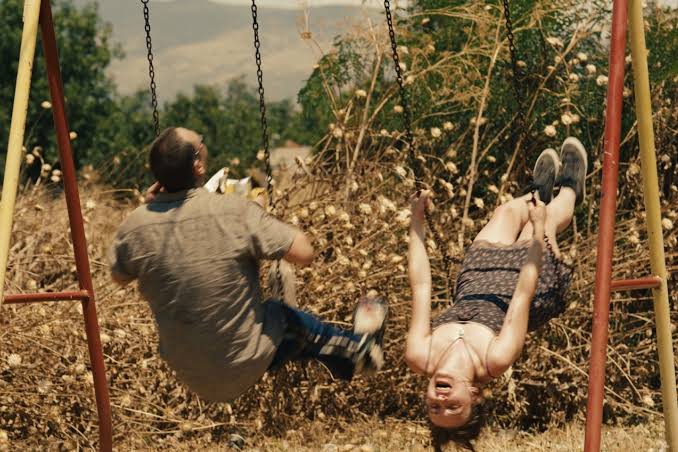
The jury singled out Mančevski’s film for its “impeccable blend of humor, tragedy and drama”, humanity and compassion for the characters, as well as for the way it manages to be touching and playful at the same time.
Sister Brother Manhole Cover follows a brother and sister, Viktor and Malina, who steal bronze busts of national heroes and manhole covers on the streets of Skopje, and then sell them as scrap metal. Their daily life on the social fringes is further complicated when one of the stolen busts falls on Viktor’s foot and seriously injures him. The attempt to provide him with treatment introduces Malina to the world of crime, corruption and unusual encounters.
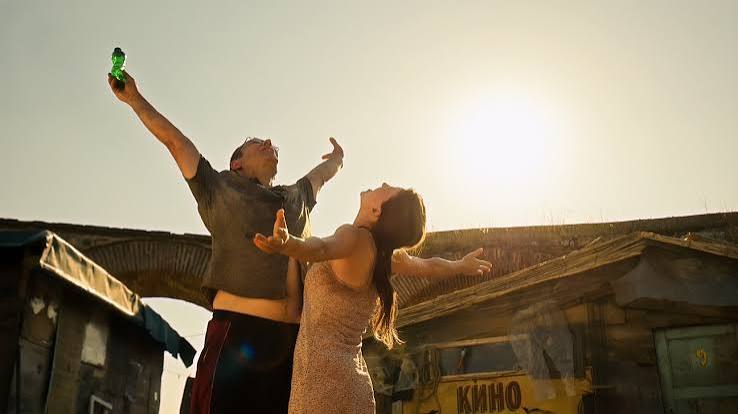
The director pointed out that he wanted to tell the story from the perspective of those who are on the social margins, opening questions of inequality, as well as the possibility of creating new family ties. The main roles are played by Sara Klimoska, Filip Trajković and Sonja Mihajlova, along with Petr Mirčevski, Jordan Simonov, Dejan Lilić and other actors. The film had its world premiere on October 30th in the competitive program of the Tokyo International Film Festival.
It was co-produced by North Macedonia, Bulgaria, Serbia, Albania, Italy and the United Kingdom. The Serbian co-producer is the production company SENSE Production. The film is supported by numerous national institutions, including Film Center Serbia.
The first feature film of director Jelena Maksimović, Until the End of the Day, received the award for the best artistic contribution. It had its world premiere on September 9th in the Orizzonti program of the Venice Film Festival, and the Tokyo screening was its Asian premiere.
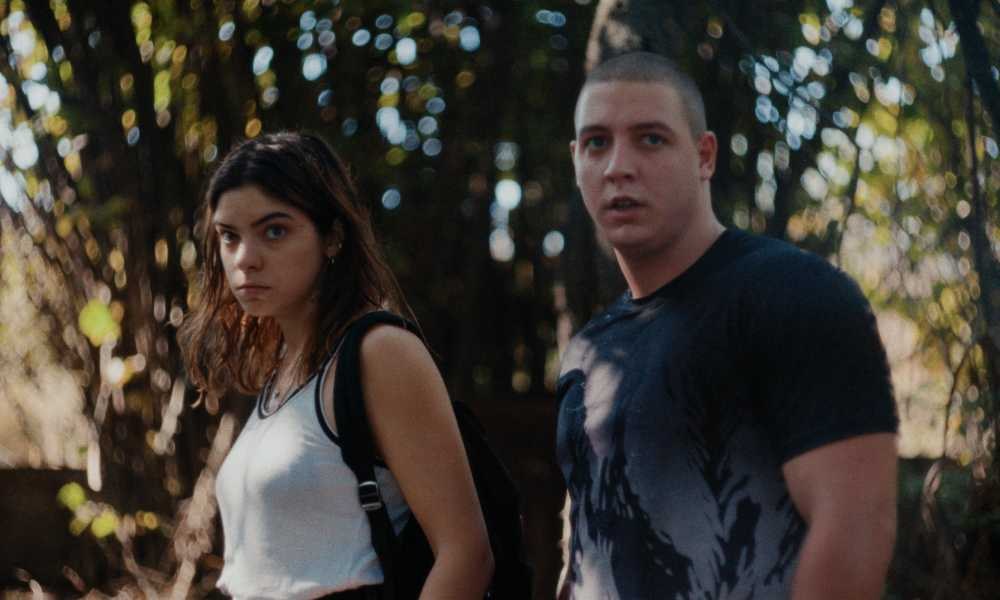
The film is set in Belgrade, a city divided by protests, and follows Lena, a student and active participant in the movement who believes that it is possible to change the world, and Stefan, a young man from a working-class family who, although he belongs to the same social environment, is on the opposite side of the protests. Their meeting opens up space for friendship and love, but also for dealing with political, family and social divisions.
Speaking in Tokyo about the creation of the film, Maksimović explained that protests had been present since the beginning of work on the script and that she herself participated in the demonstrations. However, as she emphasized, she did not want to make a film about protests, but a story about two young people who come from a similar environment, but have different life opportunities and views on the world.
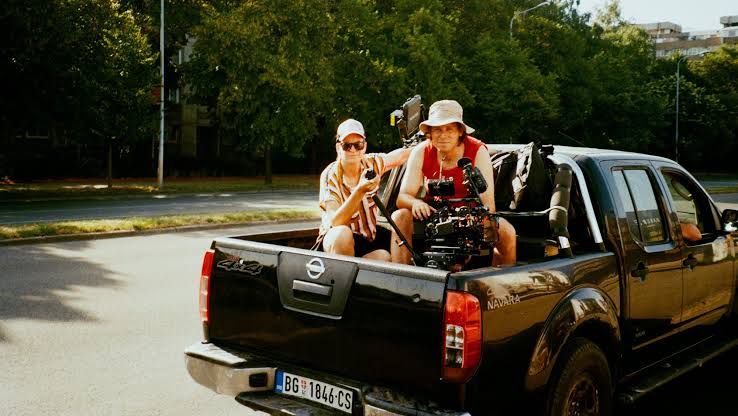
The cast consists mainly of non-professionals, whose performances bear traces of their personal experiences. The roles are played by Lena Trifunović, Andrija Krivokapić, Irina Hotomski, Stefan Tarabić, Miodrag Miša Dragičević, Nataša Čakardić and Raško Milatović.
The film is a Serbian minority co-production with Bulgaria, Slovenia, Montenegro, Germany and Croatia. The Serbian production company was Taurunum Film with producer Jelena Angelovski. The production was supported by Film Center Serbia, the Slovenian Film Center, the Bulgarian National Film Center, the MOIN Film Fund Hamburg Schleswig-Holstein and the Creative Europe MEDIA program.
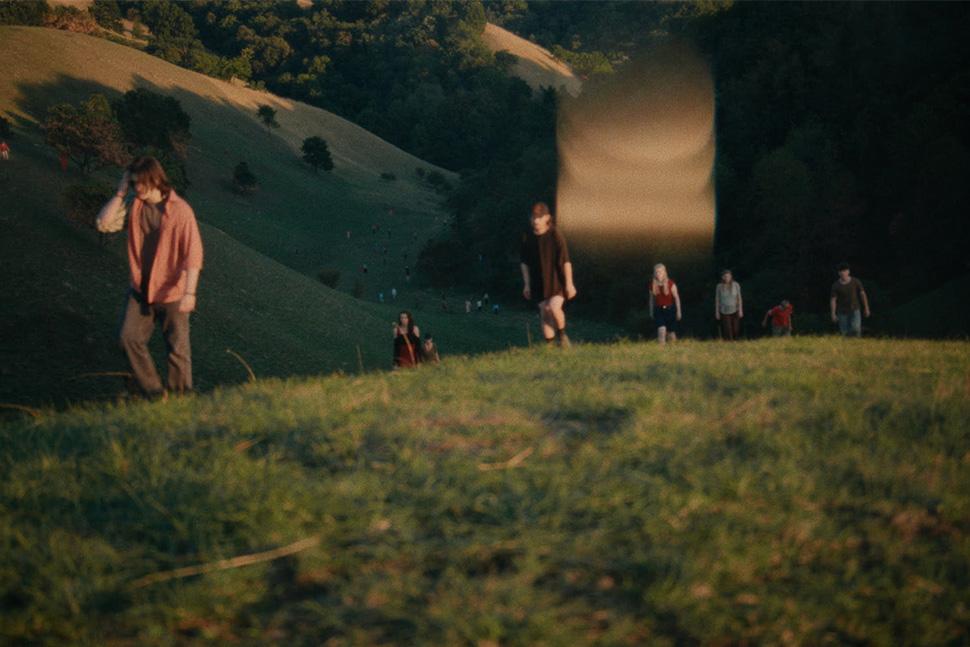
The awards at the 39th International Film Festival in Tokyo are another important international recognition for authors and producers from the region, and especially for Serbian film crews whose films were presented in the competition program of one of the important Asian film festivals.
Photo/Promo/Tokyo International Film Festival